Price gouging represents a contentious issue in marketplace ethics, often gaining attention when sudden shifts in supply or demand alter how goods are sold. At its core, the term describes situations where sellers increase prices for essential commodities to levels perceived as unfair or unconscionable by the general public. While market economies generally rely on flexible pricing, the concept of price gouging arises when companies deviate from standard patterns to leverage desperate conditions. Understanding the nuances of these changes helps distinguish between legitimate commerce and predatory behavior.
Identifying the characteristics of price spikes
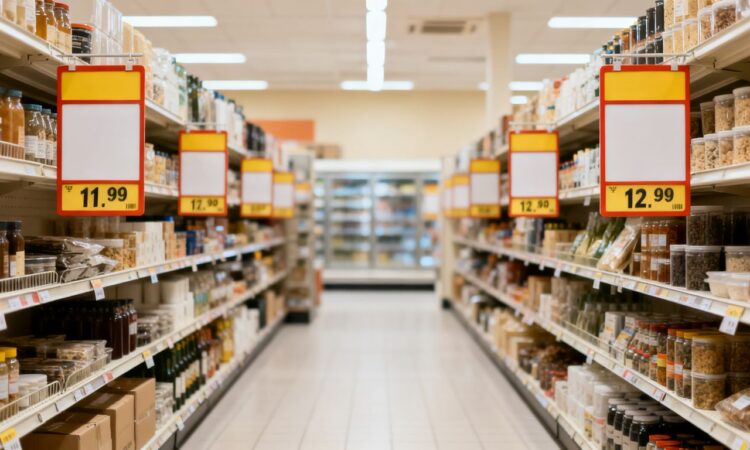
Identifying when a price shift crosses the line into illegality requires looking for specific, objective markers. A sudden, drastic increase in the cost of a essential good that coincides with a regional emergency is often the primary indicator. Analysts often evaluate whether these price adjustments align with historical data for the same product at similar times or if they represent a significant departure from previous retail behavior. Recognizing price gouging often requires comparing current figures against those observed before the onset of the crisis.
Distinguishing between dynamic pricing and gouging
Dynamic pricing relies on algorithmic adjustments to balance inventory levels and demand in real time, a practice common in sectors like travel and ride-sharing. Unlike dynamic pricing, which is generally viewed as a neutral market mechanism, price gouging involves intentional exploitation of vulnerable buyers who have few alternatives. While companies might claim they are responding to demand, the law often differentiates between tactical shifts to manage inventory and the predatory extraction of wealth from affected populations.
Examining the role of supply and demand during crises
Supply and demand theory suggests that scarcity naturally drives up prices as limited goods seek the highest bidder. During emergencies, this basic economic force is often tempered by state-imposed regulations that prevent the market from reaching a purely equilibrium-based price. As noted by legal experts regarding price hikes, the intersection of human necessity and market shortage necessitates a framework that provides stability where standard pricing models might otherwise fail.
Scenarios where price gouging commonly occurs
Market disruptions often create unique environments where the standard rules of retail are challenged. Emergencies tend to generate a specific, acute demand for goods that are vital to public health and safety. Recognizing these scenarios early is key to maintaining fair access to necessary items across the affected region. The following list identifies categories often subjected to heightened scrutiny:
Natural disasters and severe weather events
Severe weather often triggers immediate spikes in demand for specific commodities needed for survival or property protection. The sudden transition from normalcy to disaster management requires rapid responses from local retailers. When vendors suddenly hike these crucial supplies, it undermines community resilience during critical recovery efforts.
Public health emergencies and pandemics
Public health challenges introduce a sustained strain on commodity availability, often lasting months rather than days. During these prolonged periods, the demand for medical supplies and protective equipment creates a difficult landscape for regulators attempting to monitor retail prices. The resulting necessity-driven consumption cycle frequently necessitates strict oversight of emergency supplies to ensure that the public can afford essential resources.
Supply chain disruptions and inventory shortages
When global supply chains face significant hurdles, inventory shortages become inevitable, causing baseline costs to rise for manufacturers and retailers. A key challenge is distinguishing between legitimate structural cost increases and opportunistic inflation. Business owners must often provide documentation to justify their pricing decisions to avoid the perception of bad faith during periods of limited availability.
Legal standards for identifying illegal pricing
Legal frameworks designed to govern market conduct are rarely uniform, varying significantly by jurisdiction and the nature of the emergency. Statutes often grant authorities the power to enforce fairness only after a formal state of emergency has been signed into law. Compliance requires a functional understanding of these regulatory hurdles to protect businesses and residents alike.
State-specific statutes and emergency declarations
Legislation often triggers the prohibition of unfair pricing the moment a governor or executive declares a disaster. These declarations provide the legal basis for state attorneys to bring charges against companies that violate fair market standards. Businesses operating across state lines must stay informed about Texas consumer protection and other local regulatory environments to ensure their pricing remains within legal bounds.
Percentage-based thresholds for price increases
Many state laws define illegal pricing through clear, percentage-based thresholds that prevent businesses from arbitrarily increasing profit margins during a crisis. If a seller raises prices beyond these limits without demonstrating an objective increase in their own operational costs, they face potential prosecution. These caps are usually set to strike a balance between allowing cost recovery and preventing consumer harm.
Establishing seller intent and market context
Intent serves as a critical component in legal proceedings, as authorities examine whether a business knowingly exploited a disaster. If a seller acts in good faith to navigate legitimate wholesale cost increases, they are often shielded from penalties. Conversely, those attempting to obfuscate their pricing motivations by layering on unnecessary surcharges face a much higher burden of proof in court.
The economic perspective on price regulation
Regulating prices in an emergency can create unintended side effects by interfering with the natural flow of market resources. From an economic standpoint, the goal is often to sustain supply while minimizing the social damage caused by excessive costs. This delicate balance remains a subject of ongoing debate among policymakers who must choose between interventionist policies and free-market ideals.
The role of price signals in resource allocation
Prices serve as fundamental signals that direct goods to those who need them most by balancing availability against willingness to pay. When regulation forces prices below these levels, it can inadvertently suppress the incentives for suppliers to replenish their stock. Economists often warn that distorted signals can lead to shortages, as new suppliers may be discouraged from entering the market to address the deficiency.
Arguments against government intervention
Critics of price controls argue that interventions prevent the market from rewarding those who bear the cost of importing goods under difficult conditions, such as during power outages or blocked roads. They contend that higher prices are an essential tool for slowing consumption and ensuring those who need the goods most can at least find them available on shelves. The debate focuses on whether artificial price ceilings truly resolve the issue of scarcity.
Addressing the equity issues during crises
Equity is the primary justification for regulation, ensuring that individuals across all income levels maintain access to basic survival needs. When essential supplies become luxury items due to spikes, the government has an obligation to step in to protect the public interest. Focusing on affordability ensures that a crisis does not transform basic survival into a question of wealth, prioritizing social stability through regulatory guardrails.
Protections for consumers and enforcement measures
Consumers hold a powerful role in identifying and reporting questionable market behavior, serving as the frontline for potential investigations. Enforcement measures require cooperation between the public and regulatory bodies to move from reported suspicion to actionable cases. Awareness of these procedures is vital for anyone seeing marked abnormalities at the retail level.
Documenting evidence of unfair pricing
Recording prices and comparing them against known dates provides necessary context for investigators. Keeping receipts, taking photographs of price tags, or logging online listings serves as robust evidence when filing a formal complaint. These records allow agencies to determine if the increase exceeds the legal cap allowed under existing Virginia price gouging and related anti-gouging statutes.
Reporting suspected violations to state authorities
Government agencies rely on complaints to identify which businesses may need audits or legal review. Filing a report through the proper state channels gives investigators the power to examine business practices under the legal requirements of emergency declarations. This collaborative approach between citizens and their government is necessary for effective systemic oversight.
Potential penalties and legal consequences for sellers
Violators of fair pricing laws face significant repercussions, ranging from administrative fines and restitution orders to more severe civil penalties. Repeated or egregious instances of gouging can lead to broader legal exposure and lasting damage to a business’s reputation. Compliance is the only reliable way for sellers to avoid these outcomes and ensure they remain part of the legitimate business ecosystem.
Distinguishing price gouging from lawful market fluctuations
Navigating the boundary between standard inflation and impermissible conduct is a regular burden for legal counsel and business owners alike. Not every price increase represents a violation of the law, especially when market forces act in unison to raise baseline wholesale costs. Distinguishing these factors prevents unfair litigation against compliant participants in the retail sector.
Impact of increased wholesale costs on retail prices
Businesses often operate with thin margins, meaning that an increase in wholesale supply costs frequently translates directly to higher retail prices. If a supplier raises their rates to a retailer, the retailer is generally permitted to maintain their historical profit margin. As long as the increase is proportional to the rising input costs, the action remains lawful even if the final price tag jumps.
Impact of seasonal demand versus emergency demand
Seasonal demand is a predictable component of retail cycles, where prices shift annually based on historical consumption patterns. Emergency demand is inherently different, as it arises from sudden, unpredictable crises that catch the market off guard. Legal standards distinguish these by observing whether the movement is consistent with standard, non-emergency seasonal behaviors or represents a sudden break from established norms.
Navigating compliance for business owners
For responsible business owners, maintaining compliance requires consistent documentation during times of crisis. By demonstrating that price adjustments are tied to external factors, such as increased shipping or labor expenses, proprietors can distinguish their operations from bad actors. Keeping detailed records for every item subjected to these volatile shifts helps build a clear defense should any questions arise from regulators.