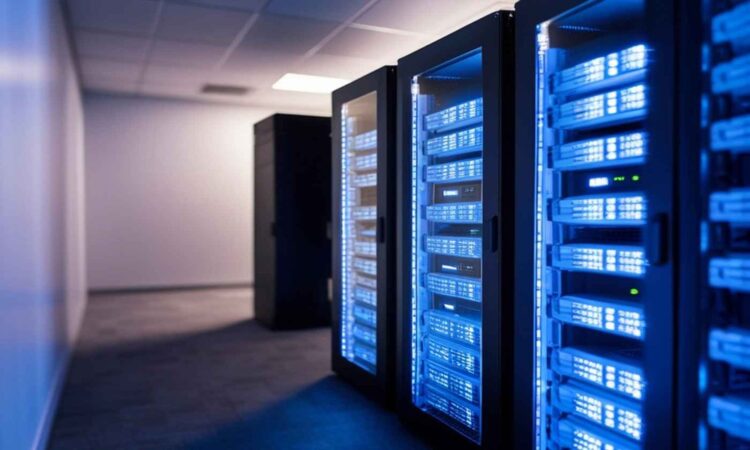
In our modern digital landscape, companies rely entirely on uninterrupted connectivity and constant access to information. At the heart of this continuous operation lies the server room, a central hub housing intricate networks of technological infrastructure. While these servers process immense volumes of information, they simultaneously generate extraordinary amounts of heat. Managing this thermal output is not just a minor concern; it is a fundamental requirement for operational survival.
Without proper climate control, an enterprise risks complete systemic failure. The continuous operation of sensitive hardware heavily depends on precise environmental regulation. By prioritizing advanced thermal management, organizations protect their digital assets and ensure smooth, continuous performance.
Protecting Sensitive Equipment
Server racks contain incredibly delicate components that are highly susceptible to environmental fluctuations. Motherboards, processors, and storage drives require strict temperature ranges to function correctly. When ambient heat rises beyond acceptable thresholds, these components suffer from severe thermal stress. This constant exposure to excessive temperatures accelerates hardware degradation and causes physical warping or complete component burnout.
Beyond just temperature, proper atmospheric regulation also controls humidity levels within the facility. Too much moisture in the air causes condensation, leading to catastrophic short circuits and corrosion. Conversely, air that is too dry increases the risk of electrostatic discharge, which can instantly destroy fragile microchips. Implementing a robust thermal management strategy ensures the physical longevity of your critical hardware.
Preventing Unexpected Downtime
When technological infrastructure overheats, built-in safety mechanisms automatically force the hardware to power down to prevent permanent fires or melting. While this safety feature prevents physical destruction, it immediately halts all business operations. Employees lose access to vital applications, customer transactions fail, and communication channels go dark. This sudden halt in productivity causes severe reputational damage and immense financial loss.
Recovering from an unexpected outage requires extensive troubleshooting and hardware replacement. By the time systems are restored, client trust is often severely fractured. Maintaining optimal atmospheric conditions eliminates the threat of heat-induced shutdowns. Consistent, regulated temperatures guarantee that your servers remain online, allowing your enterprise to function without disruptive interruptions.
Securing Professional Assistance
Designing and maintaining an effective climate control system requires specialized knowledge and deep industry expertise. Generic air conditioning units meant for office spaces cannot handle the concentrated, relentless heat generated by server racks. This is exactly why investing in dedicated data center cooling services is absolutely essential for business continuity. Experienced technicians understand how to map airflow, identify thermal blind spots, and install redundant backup systems.
Partnering with trained professionals ensures your facility receives customized solutions tailored to your specific architectural layout. Furthermore, proactive maintenance from qualified engineers catches minor inefficiencies before they escalate into major emergencies. Routine inspections, thorough cleanings, and system calibrations keep the cooling infrastructure performing at peak capacity.
Optimizing Energy Efficiency
Running a server facility requires massive amounts of electricity, and thermal management usually consumes a massive portion of that power. Outdated or poorly designed climate systems work inefficiently, constantly struggling to maintain target temperatures and draining excessive power in the process. This inefficiency leads to artificially inflated utility bills and an unnecessarily large carbon footprint.
Upgrading to modern, precision-engineered thermal solutions drastically improves power consumption. Strategies such as optimized airflow containment and the use of advanced chilling towers allow facilities to target heat exactly where it is generated. By improving the overall efficiency of your climate control infrastructure, your business significantly reduces operational overhead while simultaneously promoting environmental sustainability.
Conclusion
Treating server room climate control as a luxury is a dangerous misconception that leaves your entire organization vulnerable to catastrophic failure. The continuous generation of heat by processing hardware demands an equally persistent and reliable thermal management strategy. Precise environmental regulation serves as an invisible shield, defending your enterprise against hardware degradation and operational paralysis.
By protecting your sensitive equipment, preventing sudden system outages, seeking expert guidance, and optimizing your power usage, you secure the foundation of your technological operations. A proactive approach to environmental control is a necessary investment in the longevity and reliability of your business. Ultimately, keeping your digital infrastructure perfectly chilled ensures that your enterprise can continue to thrive in an increasingly demanding digital world.